Transmission, Brakes, and AC Repair — Vehicle Service near Fountain, CO
Transmission, Brakes, and AC Repair — Vehicle Service near Fountain, CO
When your vehicle’s transmission, brakes, or air conditioning begin to act up, small changes often hint at bigger issues ahead. Addressing those early signs saves time, prevents breakdowns, and protects long-term value. Our Colorado Springs service network is set up to make that easy with certified technicians, 15-minute no-wrench inspections for quick triage, state-of-the-art diagnostics, and a 24/7 after-hours key drop. Whether you daily a compact sedan or tow with a full-size truck, these core systems demand attention because they affect safety, drivability, fuel economy, and comfort in every season.
Transmission reliability underpins everything from smooth takeoffs to highway passing power. Brake performance is your safety margin on city streets and steep grades alike, while AC keeps you alert and focused during summer heat and winter defogging. Local driving can be demanding—think stop-and-go surface streets, high-elevation climbs, temperature swings, and dusty conditions—so preventive care pays off. Our service process emphasizes clarity: we verify the concern with a road test, confirm findings with precise diagnostics, and walk through options based on urgency, parts quality, and your goals for the vehicle. That transparency—reinforced by thousands of 5-star reviews and multiple awards for customer care—helps you make confident decisions.
McCloskey Big Joe Auto backs that approach with four dedicated service and repair locations, trained professionals across domestic, Asian, and European models, and full-line capabilities ranging from fluid exchanges and brake machining to compressor replacement and complex transmission work. Add in our free second opinions and you get coverage that feels like a partner in your ownership journey. Below you will find clear, symptom-driven checklists, what to expect during service, and concise FAQs designed to anticipate the layered questions drivers ask before, during, and after repair—so you can plan your day, your budget, and your next drive with complete peace of mind.
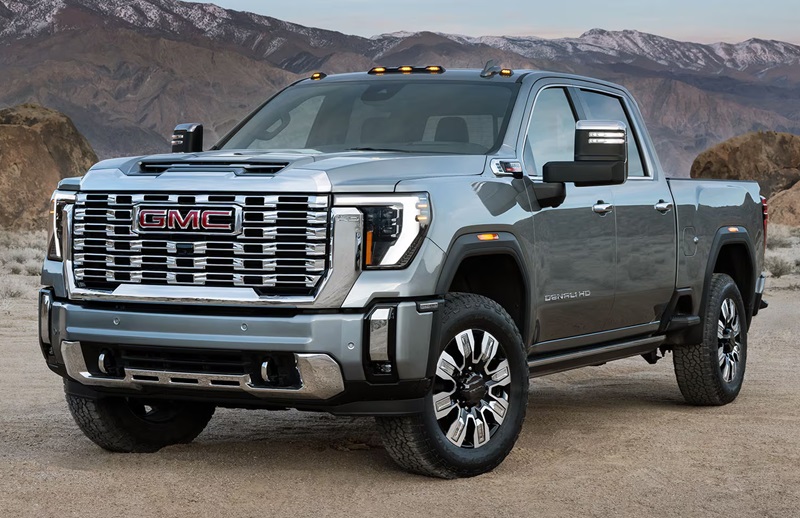
Transmission trouble: signs, causes, and what our inspection includes
- Delayed engagement: Engine revs, but drive or reverse takes a moment to engage.
- Slipping under load: RPM climbs without matching acceleration, especially on hills.
- Harsh shifts: Noticeable jolts, bangs, or surges between gears.
- Shudder or vibration: Feels like driving over rumble strips during light throttle.
- Warning lights or codes: Transmission or check engine indicators illuminate.
- Fluid concerns: Dark, burnt-smelling fluid or spots under the vehicle.
- Noises in gear: Whine, clunk, or grind that changes with speed or gear.
Our transmission evaluation starts with a conversation about the symptoms, when they happen, and driving conditions. We perform a road test to replicate the concern; scan control modules for live data and diagnostic trouble codes; inspect for leaks; and check mounts, axles, and the cooling path that stabilizes transmission temperatures. Fluid condition—color, odor, and contamination—often points to root cause and helps determine whether a fluid service, a filter and pan service, a software update, or internal repair is the right next step.
Because software and hydraulics work together in modern transmissions, we confirm line pressure behavior and command vs. actual shift timing where applicable. If judder appears only at low speed with light throttle, we consider torque converter issues. If there is a harsh 2-3 shift after warmup, we look for adaptation limits or clutch wear. For vehicles routinely driven near Fountain, CO, we also evaluate heat management, as long climbs and summer traffic elevate transmission temperatures. Before any work begins, we explain findings, outline options, and provide a written plan so you can decide with confidence—whether you need a corrective repair now or a short-term strategy to monitor and maintain.

Brake service clarity: warning sounds, stopping power, and rotor health
Your brake system converts kinetic energy into heat, and it must do so consistently whether you are easing off a residential street or managing a downhill grade. Audible alarms—like high-pitched squeal from wear indicators—signal pads are at or near minimum thickness. Grinding typically means pad material is gone and metal is contacting the rotor. If the steering wheel shakes under braking, that pulsation can indicate rotor thickness variation or uneven pad deposits; if the whole body shudders, the rear brakes may be involved. A soft or sinking pedal raises flags about brake fluid condition, air in the system, or hydraulic component wear.
During inspection we measure pad thickness and rotor runout, verify even wear across both sides of each axle, confirm caliper slide pin movement, and check brake hoses for swelling or cracking. We also test the master cylinder and evaluate ABS operation through scan data and a targeted road test. Brake fluid is hygroscopic and absorbs moisture over time, which lowers its boiling point and can contribute to pedal fade on long descents. That’s why periodic fluid replacement is a critical safety service, not just a maintenance footnote. When machining or replacing rotors, we follow manufacturer standards for thickness and torque wheel fasteners in a star pattern to protect new components.
McCloskey Big Joe Auto aims for predictable pedal feel and quiet operation after service. That includes proper bedding of new pads and rotors, cleaning and lubricating contact points, and using high-quality hardware so pads retract cleanly. If you tow, drive in hilly terrain, or commute in stop-and-go traffic, we can tailor pad formulations and rotor choices to your duty cycle. Our technicians explain any trade-offs—dust, noise, longevity—so you get the stopping performance that matches how you drive, season after season.
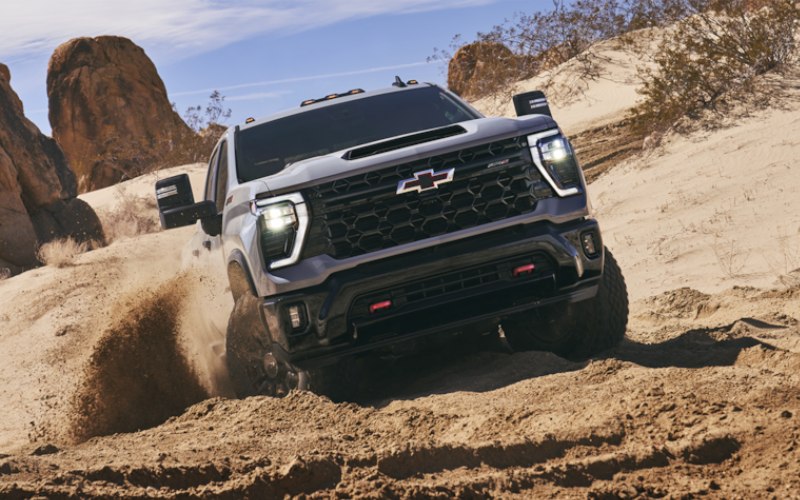
AC performance: cooling symptoms, diagnostics, and Colorado comfort
- Weak airflow: Vents feel restricted even at higher fan speeds.
- Insufficient cooling: Cabin never reaches set temperature or warms up at idle.
- Intermittent cold: Cool one minute, warm the next, often with compressor cycling.
- Unusual noises: Clicking, chirping, or grinding when AC engages.
- Foggy windows: Defog performance is poor, especially on humid days.
- Odors from vents: Musty smell, often linked to a dirty cabin filter or evaporator.
Effective AC service starts with confirming the complaint and measuring what the system is doing. We record ambient, center-vent, and line temperatures; capture high- and low-side pressures with calibrated gauges; and check condenser fan operation and airflow through the condenser and cabin filter. A quick electrical check confirms compressor clutch command and power supply, while a visual inspection looks for oily residue that reveals leaks at hoses, fittings, and the compressor. If needed, we add UV dye to pinpoint slow leaks that escape quick detection.
When refrigerant recovery is required, we evacuate and recharge to the exact specification so the AC can perform as designed—overcharging or undercharging both impair cooling and can shorten component life. Our team services vehicles using R-134a and the newer R-1234yf refrigerant and follows best practices to protect components and the environment. If blend doors or actuators are stuck, you may feel temperature swings that mimic low charge; we test those controls before recommending parts. After repair, we retest pressures and vent temps to confirm results. With flexible scheduling, a 24/7 key drop, and clear communication throughout, we keep comfort high and downtime low—even during the hottest weeks of the year.

FAQ
Frequently Asked Questions:
How often should transmission fluid be serviced?
Intervals vary by vehicle design and duty cycle. Many modern units are 30,000 to 60,000 miles for severe use. If you tow, climb grades, or idle in traffic frequently, consider the earlier end of the range. We check fluid condition and temperature history to tailor timing.
What does brake squeal mean if my pads are still thick?
Glazed pads or rotors, missing hardware shims, or dry contact points can cause squeal. We measure parts, clean and lubricate hardware, and address surface condition so brakes operate quietly and consistently.
When should brake fluid be replaced?
Every 2 to 3 years is common guidance because moisture lowers boiling point and can corrode internal components. We test fluid condition and recommend service when readings indicate reduced performance margins.
Do I need an AC recharge every year?
No—AC systems are sealed. If cooling declines, we test for charge and leaks before adding refrigerant. Restoring to the correct specification and repairing leaks protects the compressor and maintains efficiency.
Can I keep driving with a transmission warning light on?
It depends on the fault. Some issues limit performance to protect components; others risk internal damage if ignored. A quick scan and road test lets us advise whether it is safe to drive or best to tow and inspect.
Ready to schedule? What to expect on appointment day and how we help
From the moment you arrive, our team focuses on a smooth, transparent service experience. We start with a brief walkaround and a 15-minute no-wrench inspection to confirm the concern and spot any safety-critical issues. You receive a clear written plan that prioritizes what is urgent now versus what can be scheduled later, along with parts options that match your goals—daily commuting, towing, or off-road adventures. Throughout the day, you get timely updates, photos or measurements where helpful, and a final test drive to validate results before you pick up your vehicle.
Expect repairs to be performed by certified technicians using modern scan tools, precision measuring equipment, and best-practice procedures—torque specs on brake hardware, correct fluid types and fill methods for transmissions, and exact-charge AC service for consistent cooling. If you are comparing recommendations, our free second opinion provides peace of mind. If drop-off timing is a hurdle, take advantage of our 24/7 after-hours key box and flexible scheduling across our four Colorado Springs service locations. We stand behind the work with the same customer-first approach that has earned thousands of positive reviews and repeat customers across the region.
If you have noticed shifting delays, longer stopping distances, or warm air from the vents, now is the right time to act. Schedule your visit near Fountain, CO, bring notes about when the symptoms occur, and we will handle the rest—diagnostics, clear communication, and repairs you can trust. McCloskey Big Joe Auto is ready to help you drive with confidence, mile after mile.