
Used Truck Brake and Cooling Care for Long Descents near Fort Carson, CO
McCloskey Big Joe Auto - Used Truck Brake and Cooling Care for Long Descents near Fort Carson, CO
Long, winding descents around Fort Carson—think Highway 115, Old Stage Road, and the approach toward Cañon City—test two systems more than any others: brakes and cooling. When either falls behind the heat curve, safety margins shrink fast. A focused, local-first care plan keeps temperatures in check, pedal feel consistent, and engine protection intact in every season.
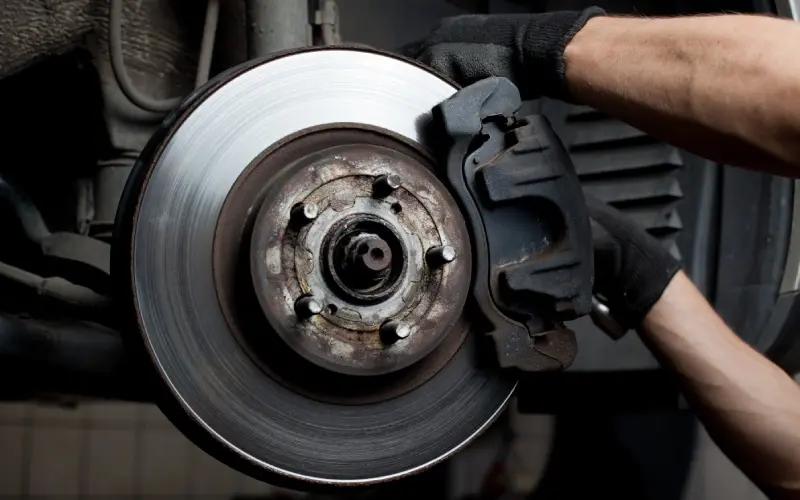
Start with brake fluid. It absorbs moisture over time, which lowers its boiling point. On a hot rotor, that moisture can vaporize—creating compressible bubbles that cause a soft pedal and longer stopping distances. A 2–3 year flush schedule preserves ABS performance and pedal confidence. Next, match pads and rotors to your mission. Towing on steep grades benefits from higher-friction, fade-resistant pads paired with rotors that shed heat efficiently. We measure rotor runout and thickness, clean and lube slide pins, and ensure calipers move freely—small steps that turn into big control when weight pushes downhill.
- Brake fade warning signs: Gradually lengthening stops, a higher pedal position, burning smell at a stop, or pulsing that worsens with heat.
- Cooling distress cues: Rising gauge under load, uneven cabin heat, boiling sounds after shutdown, or coolant odors and residue near hose joints.
- Pre-descent checklist: Downshift early, turn off Tow/Haul only if recommended, and leave extra follow distance to avoid continuous braking.
- Post-descent care: Park and let components air-cool; avoid setting the parking brake immediately if rotors are very hot.
Cooling systems work harder at elevation because air density is lower. That means less heat transfer and narrower margins under tow. Pressure-test the cap to maintain the correct boiling point, confirm thermostat accuracy, and verify fan operation—mechanical clutches should engage decisively, while electric fans must spin at commanded speeds. Radiator fins packed with bugs or trail dust lose efficiency, so a careful fin cleaning restores airflow. Coolant chemistry matters, too; proper mix and additive health prevent corrosion and maintain heat capacity across freezing winter mornings and scorching summer afternoons.
- Inspect belts and hoses for glazing, cracking, or swelling—heat and age magnify small flaws under tow.
- Check pulleys and tensioners—slip reduces water-pump and fan performance when you need them most.
- Service the transmission cooler—clean external fins and verify line integrity to protect against heat soak.
- Validate trailer brake controller settings—balanced trailer braking lowers truck brake temperatures dramatically.
Local driving adds unique variables. Wind can drop ambient temperatures rapidly on the mesas, while slow, technical off-road climbs near Cheyenne Mountain starve radiators of airflow. Plan graded descents using engine braking early, keep speeds steady, and stop for a cool-down if pedal feel changes. Mud and sand from backroads hold heat against components—wash wheel wells, calipers, and radiators after off-road days to restore cooling capacity.
When it is time for service, McCloskey Big Joe Auto offers certified care for brake systems, cooling components, and towing packages configured for real Front Range duty. Our process is built for your schedule—24/7 key drop, clear digital inspections, and friendly explanations of what matters now versus what can wait. We are proud of our roots in Colorado Springs, serving Fountain, Fort Carson, and Monument with shop teams who live the same hills and weather you do. Bring us your truck before the next descent-filled weekend, and drive out with confidence in your brakes, your temperature gauge, and your plan.
Frequently Asked Questions:
How often should brake fluid be changed for mountain driving?
Every 2–3 years is smart; frequent descents or towing may justify sooner based on moisture testing.
Do I need special pads for towing around Fort Carson?
High-friction, fade-resistant compounds paired with quality rotors improve control and longevity on long grades.
What coolant checks matter most at altitude?
Pressure-cap integrity, thermostat accuracy, fan operation, and coolant boiling point are the big four to verify.
Request more information