Used SUV vs. Used Truck for Colorado Winters: Which One Actually Handles Snow Better?
Used SUV vs. Used Truck for Colorado Winters: Which One Actually Handles Snow Better?

If you’re comparing a used SUV vs. a used truck for Colorado winters, the right choice depends on where you drive and what you need to carry. For everyday commutes around Colorado Springs, a well-equipped all-wheel drive (AWD) SUV may be a comfortable fit. A four-wheel drive (4WD) truck can make more sense for deep snow, unplowed roads, towing, or work gear. Here’s how to weigh the differences, including the factor that matters more than either drivetrain: your tires.
Used SUV vs. used truck for Colorado winters: what changes on the road?
Many SUVs use AWD systems that automatically send power to wheels with traction. That can help you pull away from a snowy intersection or keep moving through slushy stretches on I-25. Most AWD SUVs are designed for paved roads and changing conditions, not as a substitute for a dedicated off-road setup.
A 4WD truck may offer selectable 4-High for slippery roads and, on some models, 4-Low for slow travel over steep or rough terrain. This can be useful when a job site or rural road hasn’t been plowed. But 4WD does not guarantee grip while turning or braking, and the system’s features vary by vehicle. Check the owner’s manual and confirm the specific truck’s equipment before relying on it.

Colorado Springs drivers can face changing conditions over a single trip. Monument Hill on the I-25 corridor can be slick or windy, Ute Pass and HWY 24 bring grades and curves, and Black Forest roads may be less consistently cleared. Spring snowstorms can also arrive after a run of dry pavement. Neither vehicle type makes it safe to drive faster than conditions allow.
Tires matter more than drivetrain
AWD and 4WD can help a vehicle get moving, but they don’t create extra grip between the tires and the road. Tire condition and type play a major role in how a vehicle accelerates, turns, and stops on snow and ice. A capable drivetrain paired with worn or mismatched tires can still struggle.
When shopping, inspect all four tires for even wear and check the sidewalls for the Three-Peak Mountain Snowflake symbol. This marking identifies tires tested to meet a snow-traction standard. Depending on your driving, a quality all-weather tire or a set of dedicated winter tires may be worth considering. Confirm the right tire size and type for the specific vehicle.
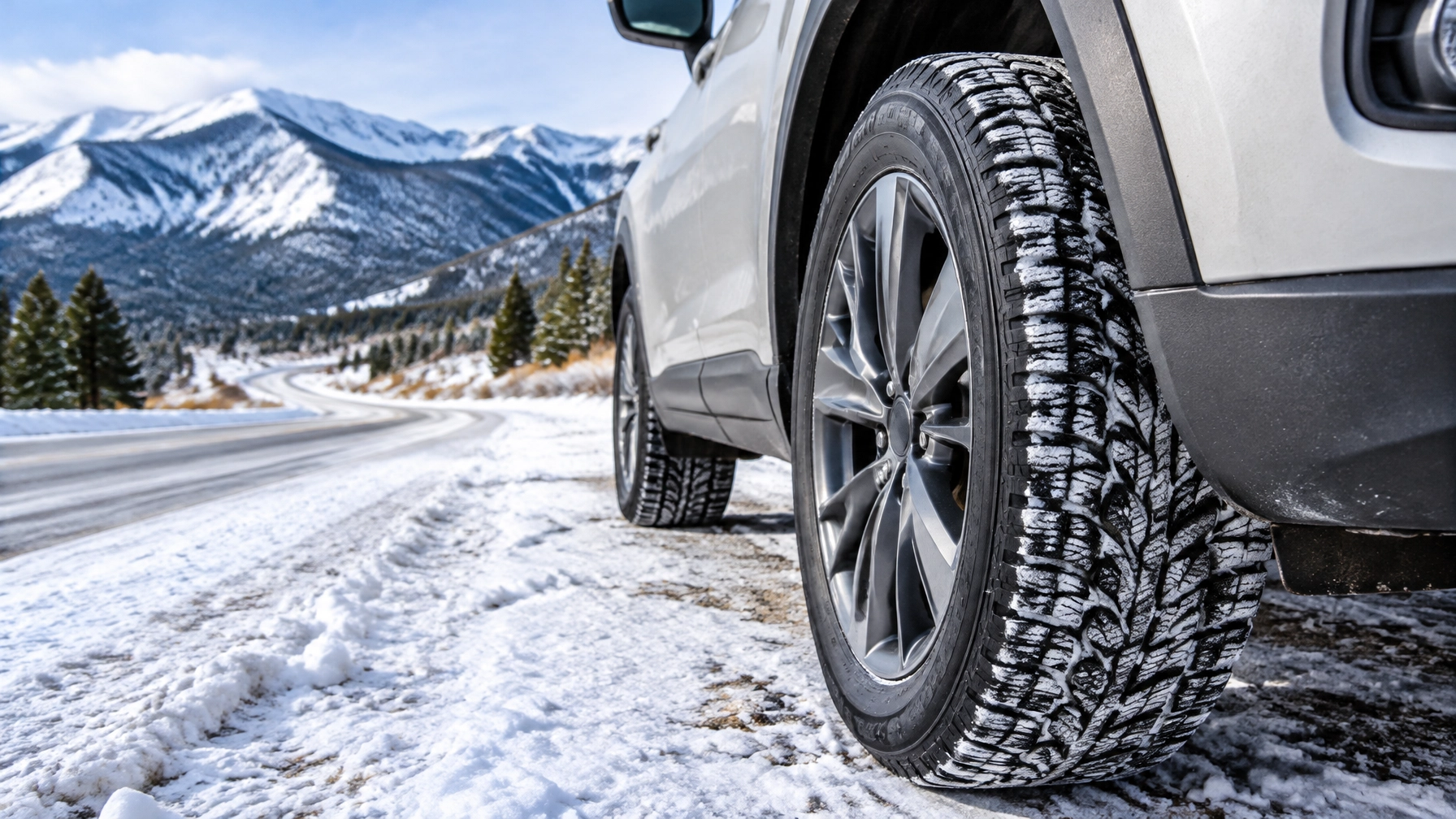
Colorado’s Passenger Vehicle Traction Law can require qualifying tires or approved traction devices on state highways when the law is active. AWD or 4WD alone does not automatically meet the requirement. Check CDOT’s current traction and chain law information and road conditions before a winter trip.
Ground clearance, weight, and traction
Ground clearance matters when snow piles up or a road hasn’t been cleared. A truck or a higher-clearance SUV may pass through deeper snow before the underside contacts it. That can help on a rough access road, but extra clearance does not make the vehicle immune to getting stuck. Snow depth, terrain, tires, and driving technique all matter.
Weight is not a simple advantage, either. A heavier vehicle may feel planted, but more mass also needs to be controlled when braking or changing direction. Many pickups have a relatively light rear axle when the bed is empty, which can affect traction on slippery pavement. Proper tires and smooth driving are more useful than assuming that a bigger, heavier vehicle will grip better.
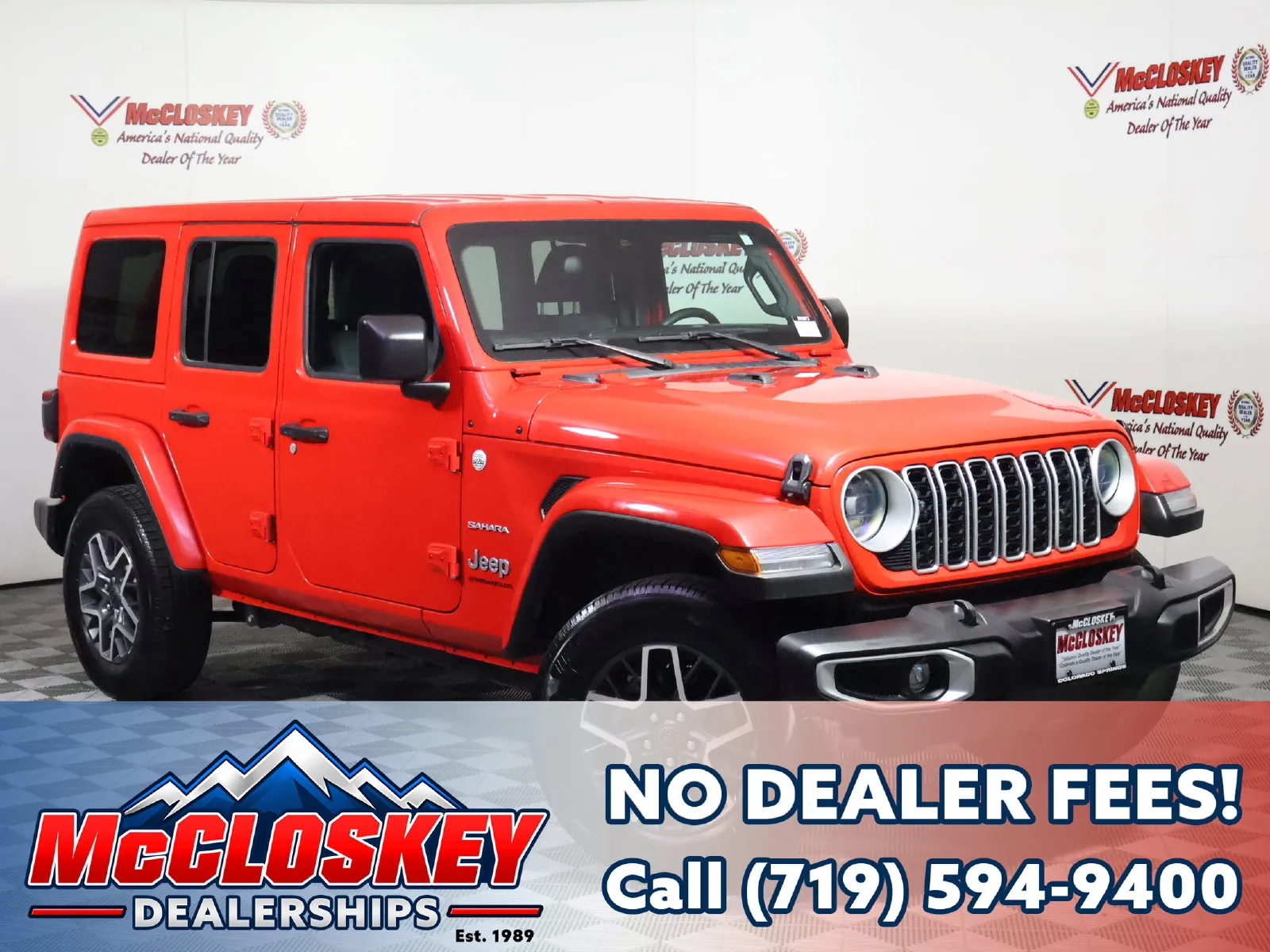
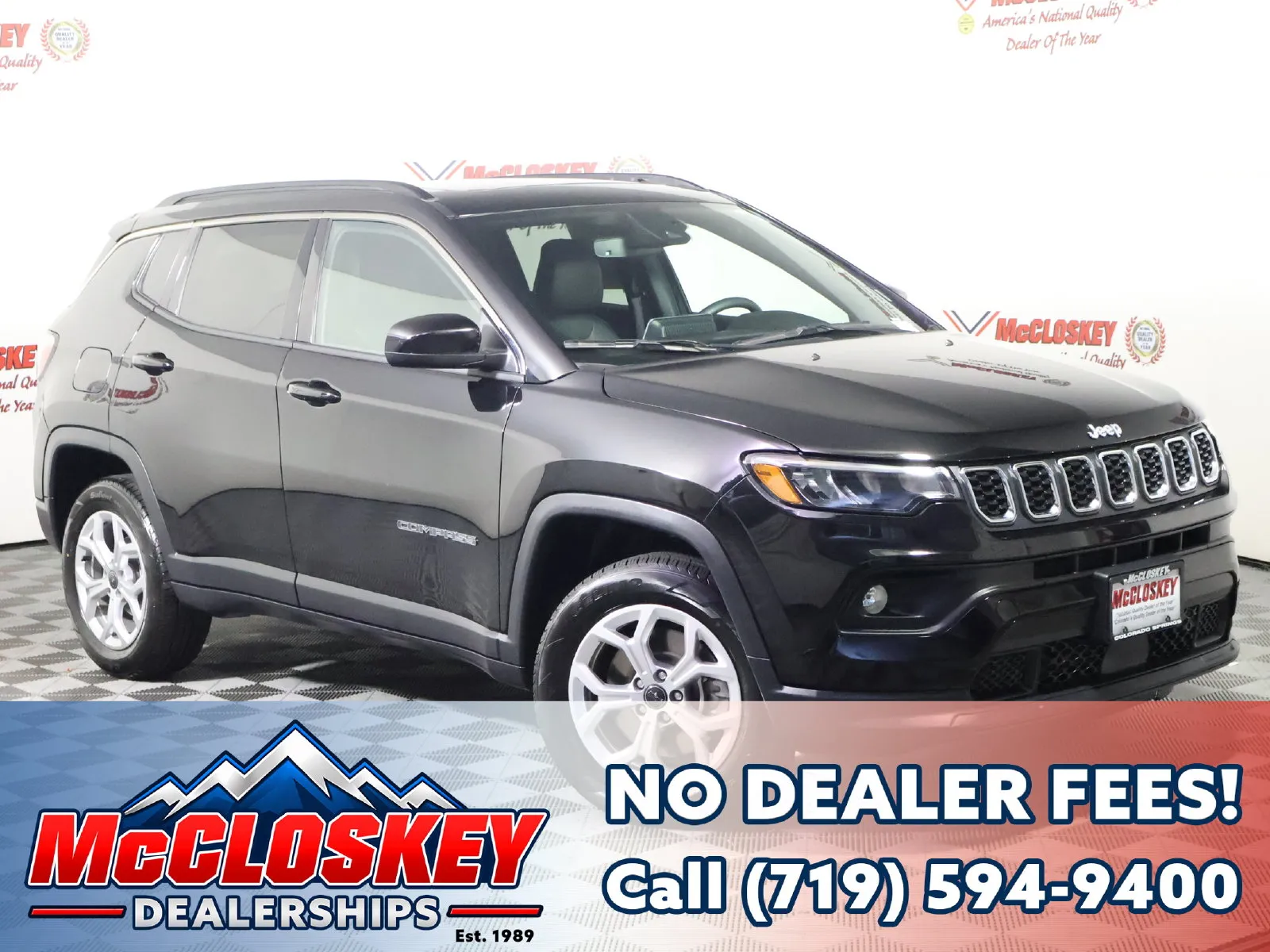
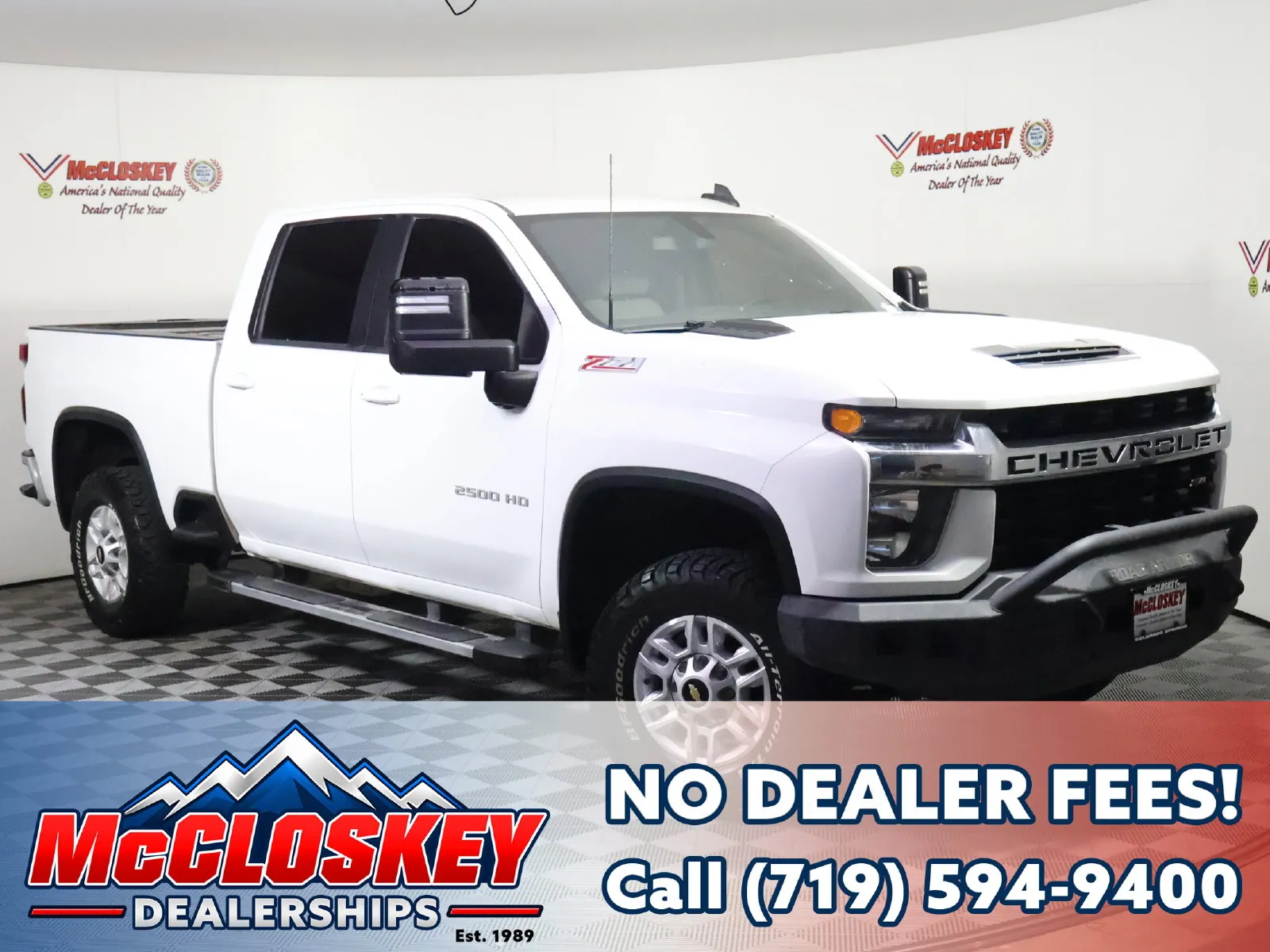
Also, compare the specific vehicle rather than relying on body style alone. A Honda CR-V, Ford Explorer, Jeep Grand Cherokee, or Toyota 4Runner can differ in drivetrain and clearance depending on year and trim. The same is true of a Ford F-150, Chevrolet Silverado 1500, RAM 1500, or Toyota Tacoma. Ask which drivetrain the vehicle has and check its condition and service history.
Cost and everyday practicality
A truck may be the practical choice if you regularly tow a trailer, haul tools, or need an open bed for bulky gear. An SUV usually offers an enclosed cargo area and convenient seating for family or passengers. If you’re comparing trucks for sale in Colorado Springs CO, consider how often you’ll use the bed and towing capability, not just how useful they seem in a snowstorm.
Fuel costs also depend on the specific model, engine, drivetrain, tires, and how you drive. Full-size trucks often use more fuel than smaller SUVs, but the difference between two used vehicles can’t be judged from vehicle type alone. Compare the details of the actual models you’re considering.
Insurance premiums and purchase prices vary with the vehicle, driver, coverage, and current market. A full-size truck may cost more to insure or buy than a smaller SUV, but there are exceptions. Get insurance quotes and compare the total ownership costs before deciding. Searches such as “truck dealerships in Colorado Springs,” “auto sales Colorado Springs,” and “used car lots in Colorado Springs” can help you find options, but the right fit still comes down to condition, equipment, and your budget. If your work needs an enclosed cargo area, you might also compare cargo vans for sale in Colorado Springs.
A straightforward way to choose
Start with your regular routes and daily needs, not the worst storm you can imagine. An AWD SUV is often a sensible match for family commuters who mostly use plowed roads, want enclosed cargo space, and travel through winter conditions on I-25 or around town.
A 4WD truck may fit better if you regularly drive unplowed roads, need clearance for rough access, tow, or carry work equipment. If most of your driving is on cleared pavement, the truck’s extra capability may not outweigh its fuel and ownership costs for you.
Before choosing, use this quick checklist:
- List your real winter routes: Include regular trips over Monument Hill, Ute Pass, HWY 24, or less-maintained Black Forest roads.
- Be honest about the work the vehicle will do: Count passengers, cargo, towing, and how often you need a truck bed.
- Check the tires and drivetrain: Look for suitable tires and verify AWD or 4WD operation on the specific vehicle.
- Compare the complete budget: Consider fuel, insurance, purchase costs, and the condition of each vehicle.
- Take a careful test drive: Notice visibility, braking feel, ride comfort, and how easily the vehicle fits your routine.
So, which handles snow better?
For many Colorado Springs drivers who mainly commute on paved roads, a used AWD SUV with good winter-capable tires is a practical choice. For drivers who frequently encounter deep snow, rough unplowed roads, or demanding work and towing needs, a properly equipped 4WD truck may be the better match. Neither option replaces safe speed, extra following distance, and careful braking.
If you’re still weighing the trade-offs, compare the vehicle’s actual drivetrain, tire condition, and history rather than choosing by badge alone. Browse used SUVs in Colorado Springs and used trucks in Colorado Springs at BigJoeAuto.com, or talk through your needs with McCloskey Motors. You can visit us at 6710 N. Academy Blvd, Colorado Springs, CO 80918, or call (719) 685-7000.