Should I Bring a Mechanic When Shopping for a Used Car?
Should I Bring a Mechanic When Shopping for a Used Car?
The short answer is: sometimes.
If you've spent any time researching how to buy a used car, you've probably heard the advice, "Always bring a mechanic." While that advice sounds good in theory, the reality is a little more nuanced.
After years of helping customers shop for used vehicles, I've found that whether you should bring a mechanic depends on the vehicle, your expectations, and the information already available about the car. In some situations, a mechanic can provide valuable peace of mind. In others, they may not tell you much more than what a thorough dealership inspection and vehicle history report already reveal.
How Often Do Buyers Actually Bring a Mechanic?
In my experience, it's not uncommon for customers to bring someone along to help evaluate a vehicle. However, it's rarely a professional mechanic.
More often, customers bring:
- A spouse
- A family member
- A friend who knows cars
- A coworker who enjoys working on vehicles
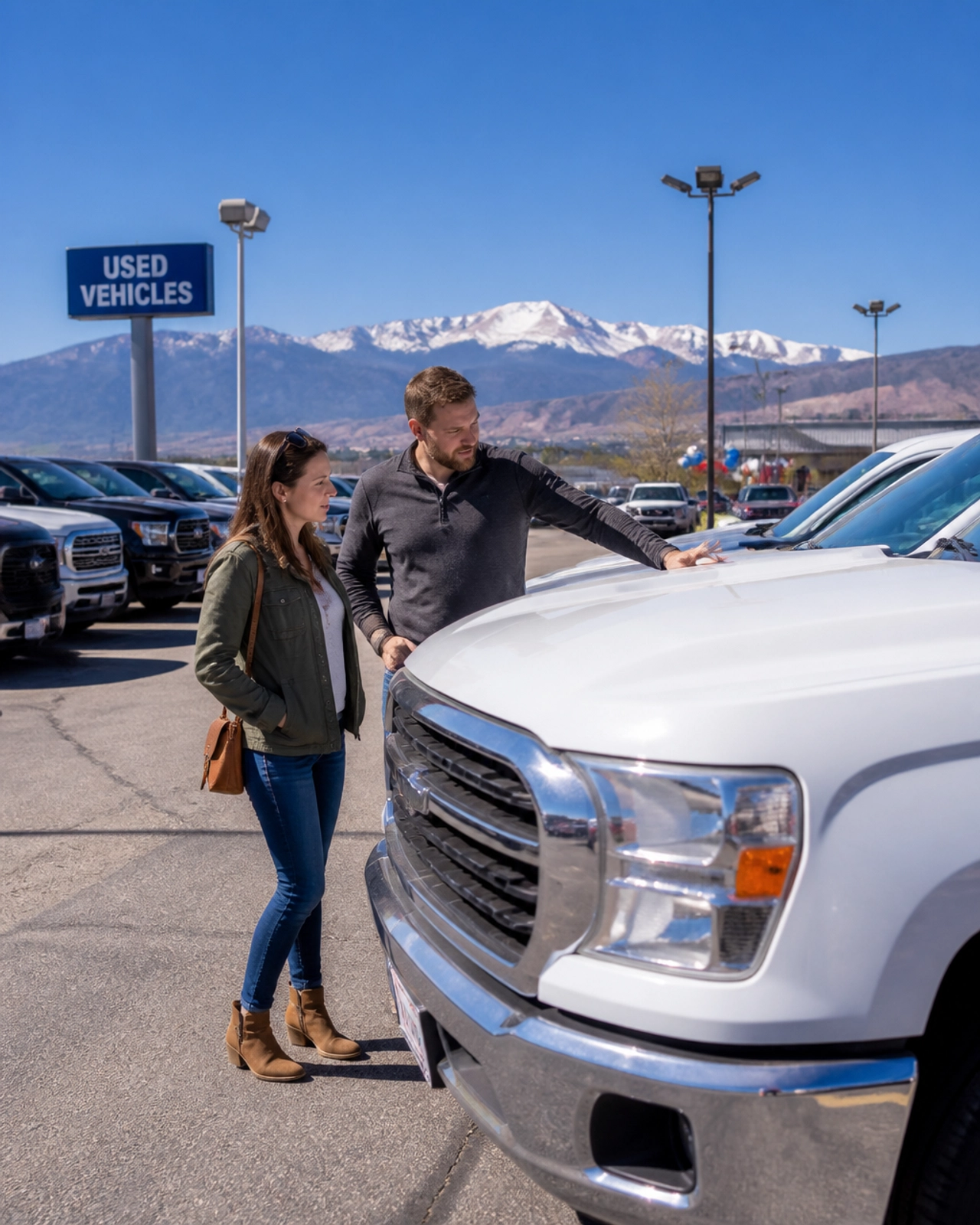
These extra sets of eyes can be helpful, but I've also noticed they sometimes make customers more hesitant to buy. That's not necessarily because the vehicle has a problem. Often, the person accompanying the buyer is focused on finding reasons not to purchase rather than determining whether the vehicle is a good value.
A scratch becomes a major concern. A small dent becomes a dealbreaker. A normal maintenance item becomes something that sounds alarming.
While caution is important, it's equally important to keep the vehicle's age, mileage, condition, and price in perspective.
The Goal Isn't to Find a Perfect Used Car
One of the biggest misconceptions I see among used car shoppers is the belief that a used vehicle should feel and perform exactly like a brand-new one.
The reality is that every used vehicle has a history.
A ten-year-old vehicle with 100,000 miles will not drive exactly like a vehicle fresh off the assembly line. That doesn't mean it's a bad vehicle. It simply means it has experienced normal use over time.
Similarly, cosmetic imperfections are common in the used vehicle market.
Some examples include:
- Minor scratches
- Small dents
- Light interior wear
- Stone chips
- Minor blemishes from years of ownership
Many shoppers become fixated on these issues and forget they're purchasing a used vehicle, not a new one.
The more important question is whether the vehicle is mechanically sound and appropriately priced for its condition.
What a Mechanic Can Help You Find
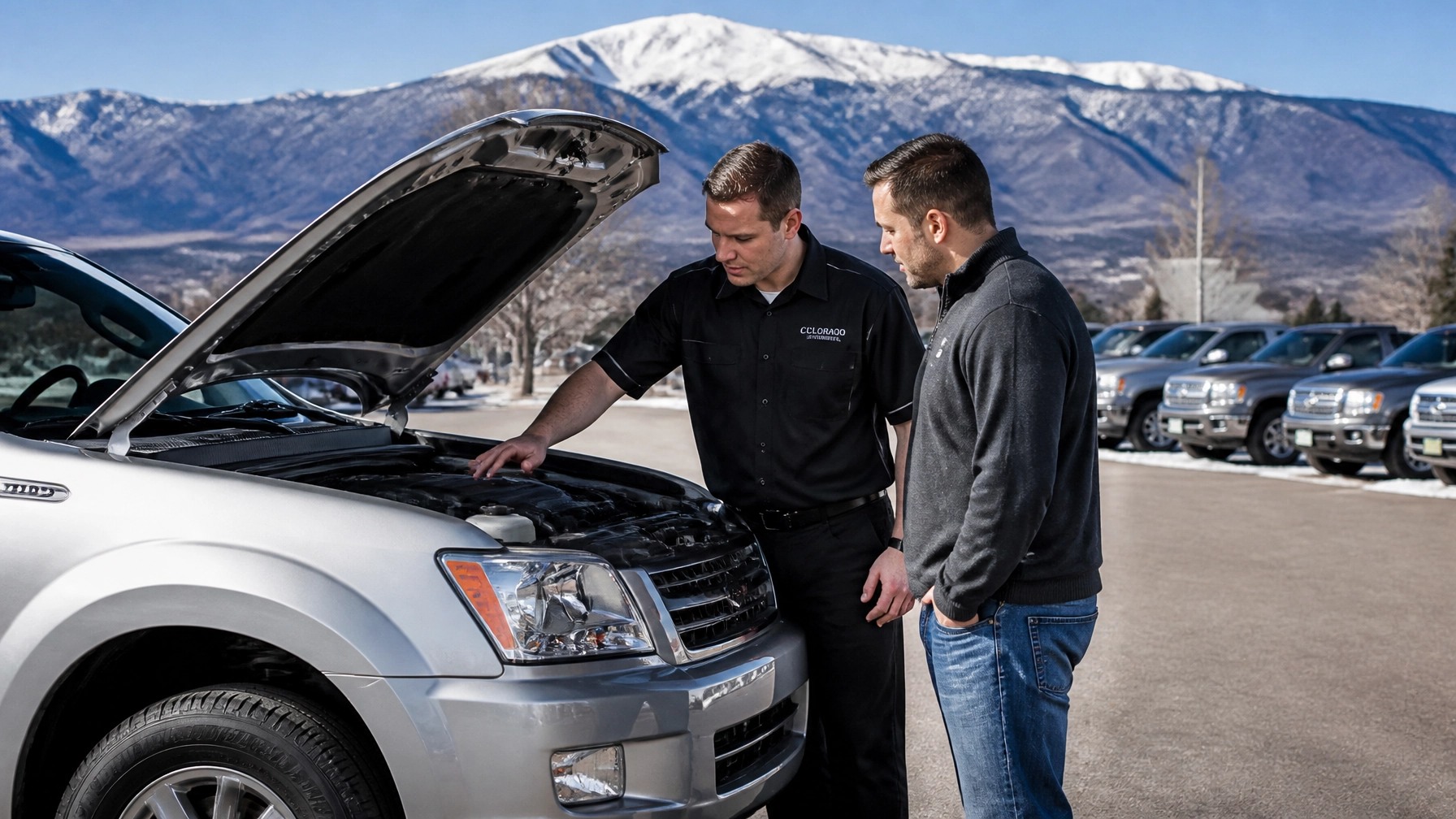
There are situations where bringing a mechanic or obtaining an independent inspection makes sense.
For example, a mechanic may help identify:
- Wear items that may need attention in the future
- Suspension concerns
- Fluid leaks
- Signs of poor previous repairs
- Potential maintenance costs
This can be particularly valuable when shopping for:
- Older vehicles
- Higher-mileage vehicles
- Specialty vehicles
- Performance vehicles
- Vehicles from private sellers
A mechanic can also help buyers who have very specific expectations.
For example, some buyers want a vehicle with brand-new brakes and rotors. A vehicle may pass inspection and still have plenty of life remaining on those components, but if a buyer wants everything to be recently replaced, a mechanic can help verify that.
What Many Buyers Misunderstand About Inspections
One challenge I've occasionally seen when a mechanic becomes involved in the shopping process is that they may identify normal wear items and discuss potential future repairs without providing the full context of the vehicle's age, mileage, condition, and price point.
For example, a mechanic might point out that brakes are partially worn, tires may need replacement within the next year, or there is evidence of a minor seepage that should be monitored. None of those observations are necessarily wrong. In fact, they may be completely accurate. The issue is that customers sometimes hear those comments and assume the vehicle has a serious problem when, in reality, the vehicle may simply be showing normal wear consistent with its age and mileage.
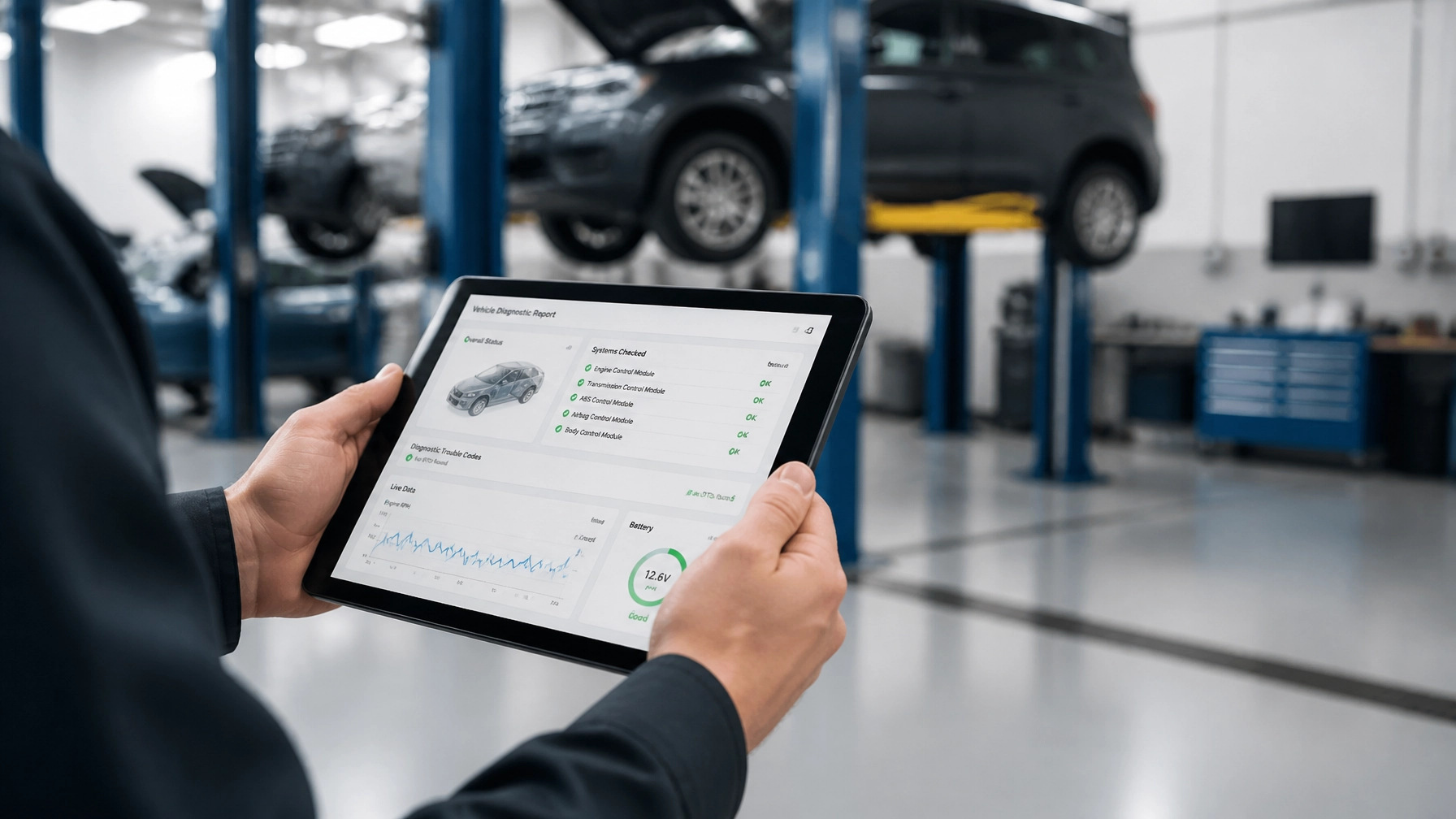
I've seen buyers walk away from vehicles because they were concerned about future maintenance costs without taking the time to discuss the findings with dealership management or service personnel. In many cases, the vehicle had already been inspected, the condition was known, and the asking price reflected those factors.
It's also important to remember that a used vehicle is not a new vehicle. Some shoppers become focused on cosmetic imperfections, partially worn components, or age-related characteristics and forget that they're evaluating a used vehicle that has been driven and enjoyed by previous owners.
The goal shouldn't be to determine whether a used vehicle is perfect. The goal should be to determine whether it's mechanically sound, properly maintained, and appropriately priced for its age, mileage, and condition.
If Your Mechanic Finds Something, Tell the Dealership
One piece of advice I always give customers is this: if your mechanic finds something concerning, bring it to the dealership's attention before walking away from the deal.
Transparency is important for both the customer and the dealer.
Even the most thorough inspection process is performed by humans. It's possible for a mechanic to notice something that was missed during a prior inspection or that developed after the vehicle was inspected. If a mechanic identifies a leak, unusual noise, maintenance concern, or any other issue, discussing it with the dealership creates an opportunity for everyone to review the concern together.
In some cases, the finding may be determined to be normal wear. In other cases, it may reveal a legitimate issue that should be addressed.
From a dealership perspective, it's important to understand why a customer may be hesitant to move forward. If there is a concern with the vehicle, we want the opportunity to investigate it, explain it, and if necessary, repair it. That benefits not only the current customer but also the next customer who may consider purchasing that vehicle.
At the same time, I completely understand why buyers trust their own mechanic. A mechanic works for the customer, not the dealership, and that independent perspective can provide valuable peace of mind.
The best approach is to use all available information, including the mechanic's opinion, the dealership's inspection records, service history, vehicle history reports, and a thorough test drive before making a decision.
Why Inspection Records Matter
In my opinion, one of the most valuable resources available to a used car shopper is the dealership's inspection and service documentation.
At McCloskey Motors, every vehicle goes through an inspection process. We maintain records of the work performed and review available vehicle history information during the sales process.
These records often answer many of the same questions a mechanic would be evaluating.
When shopping for a used vehicle, ask for:
- Vehicle history reports
- Inspection reports
- Service records
- Reconditioning information
- Maintenance documentation
The more information available, the more confident you can feel in your purchase decision.
When I Would Recommend Bringing a Mechanic
If a close friend or family member asked me whether they should bring a mechanic while shopping for a used car, my answer would be: sometimes.
I would consider bringing a mechanic if:
- The vehicle is significantly older
- The vehicle has high mileage
- The vehicle is being purchased from a private seller
- The dealership cannot provide inspection information
- The buyer wants a highly detailed evaluation of wear items
- The vehicle is rare, modified, or specialized
In these situations, an independent opinion can provide valuable reassurance.
When a Mechanic May Not Be Necessary
A mechanic may be less necessary when:
- The vehicle has already been thoroughly inspected
- Service records are available
- Vehicle history reports are available
- The dealership is transparent about condition and prior repairs
- The buyer is purchasing from a reputable dealer
In these cases, much of the information a mechanic would review may already be available for examination.
My Final Opinion
Should you bring a mechanic when shopping for a used car?
Sometimes.
A mechanic can absolutely provide value, especially for older vehicles, specialty vehicles, or situations where limited information is available.
However, bringing a mechanic isn't always necessary, and it shouldn't be viewed as the only way to make a smart purchase.
The most important thing is understanding what you're buying.
Review the vehicle history. Examine the inspection records. Ask questions. Take a thorough test drive. Understand the vehicle's age, mileage, condition, and price.
Most importantly, remember that you're shopping for a used vehicle. The goal isn't to find a perfect car. The goal is to find a vehicle that is mechanically sound, properly maintained, fairly priced, and capable of meeting your needs for years to come.
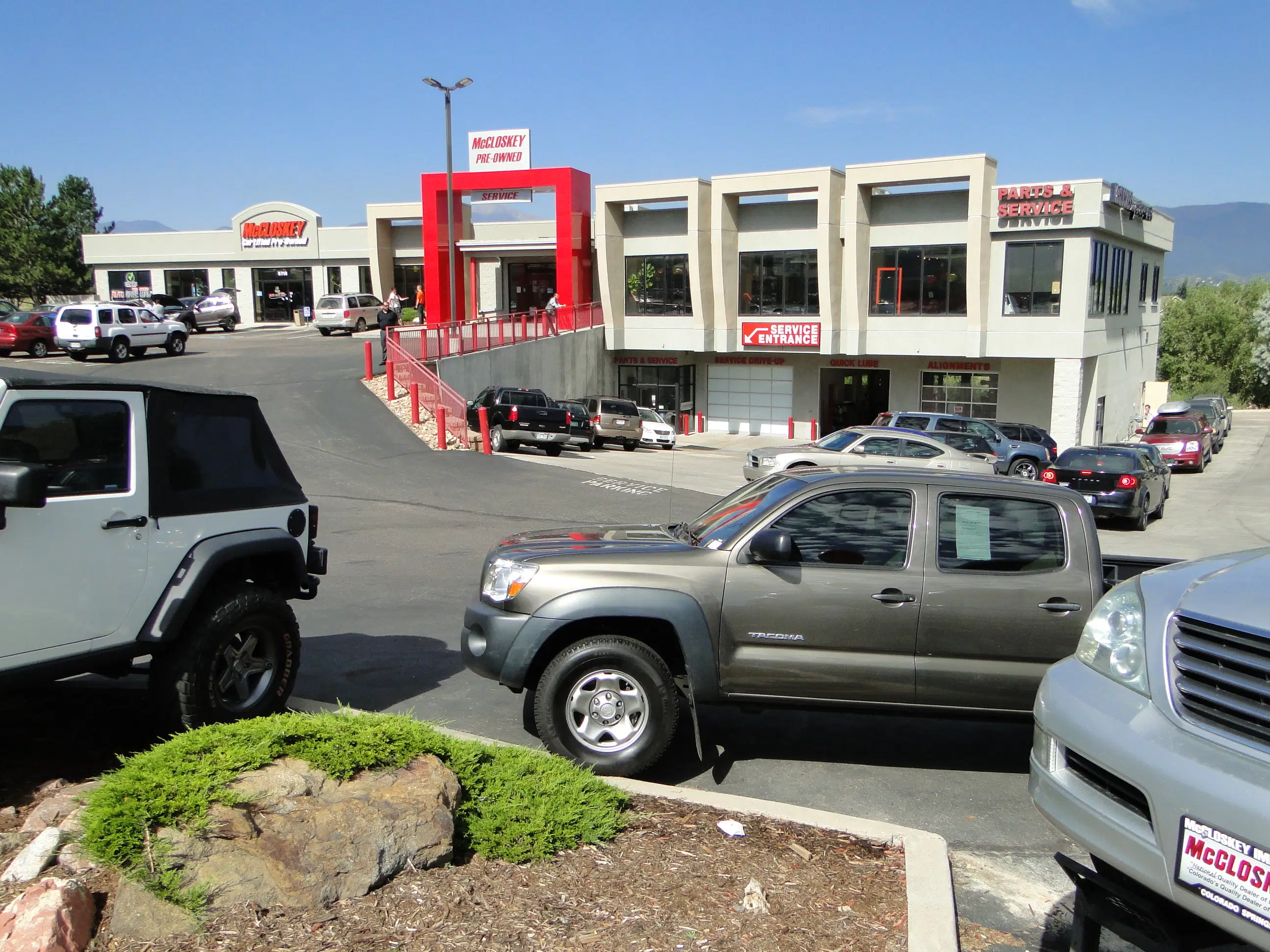
Browse our current selection at BigJoeAuto.com, or stop by and see us on N. Academy Blvd to see our inspection records for yourself.
McCloskey Motors / McCloskey Imports & 4x4's 6710 N. Academy Blvd, Colorado Springs, CO 80918 (719) 685-7000 BigJoeAuto.com