Ceramic Coating or Wax? Smart Protection for Daily Drivers around Colorado Springs, CO
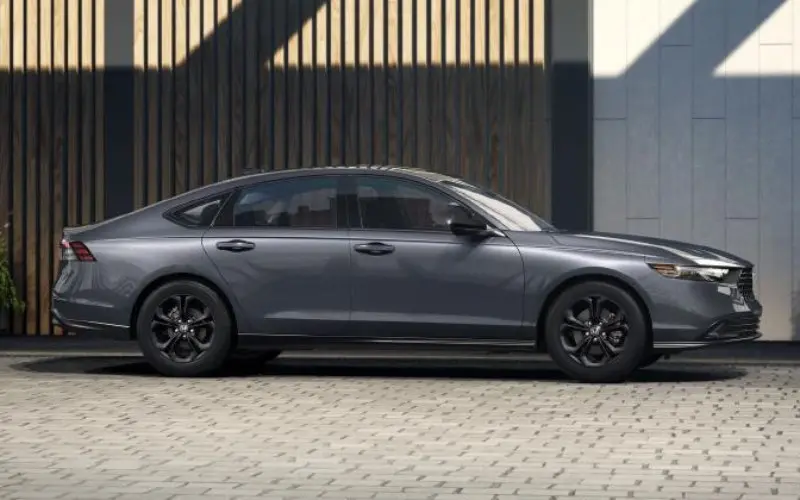
McCloskey Big Joe Auto - Ceramic Coating or Wax? Smart Protection for Daily Drivers around Colorado Springs, CO
Colorado drivers face intense sun, winter road chemicals, and wind-blown dust—all factors that can dull paint, create stubborn contamination, and make routine washing more difficult. If you’re weighing ceramic coating versus traditional wax or sealants, the right choice depends on how you use your vehicle, how long you plan to keep it, and how much time you want to spend on upkeep. This guide breaks down the differences so you can choose protection with confidence.
Wax and polymer sealants provide a warm gloss and short-term water beading. They’re cost-effective and easy to refresh, but they don’t bond as strongly to paint and wear off more quickly under UV exposure and harsh weather. Ceramic coatings, by contrast, chemically bond to the surface, creating a more durable, hydrophobic barrier that helps resist UV damage, etching from contaminants, and embedded grime. For commuters, family vehicles, and trucks that see year-round use, coatings can dramatically extend the clean, high-gloss look while making wash routines faster and safer.
To help with your decision, consider the scenarios below:
- Short-term ownership: If you plan to sell soon or want a temporary gloss boost, a quality wax or sealant may fit.
- Long-term keeper: If you want durable protection with easier maintenance, ceramic coating is the stronger choice.
- Outdoor parking: Coatings help fight UV fading and environmental fallout more effectively than wax.
- Frequent highway driving: Hydrophobic behavior and contaminant resistance make wash time shorter and safer.
- Dark paint colors: After proper correction, coatings help preserve clarity and reduce the look of washing-induced swirls.
Surface prep is critical for success. A professional-grade ceramic coating should never be applied over defects. That’s why detailers begin with a meticulous wash, chemical decontamination, clay bar treatment, and machine polishing to remove swirls, haze, and oxidation. Coating over uncorrected paint will only lock those imperfections in place. When the surface is corrected and polished, the coating enhances the gloss, deepens the color, and protects the clarity you’ve just restored.
If you decide on a coating, preparing for your appointment is easy:
- Clear out the vehicle: Remove personal items to streamline the process.
- Share your driving profile: Communicate daily mileage, parking conditions, and weather exposure.
- Define your goals: Depth of gloss, wash speed, winter defense—prioritize what matters most.
- Review care tips: Learn simple wash methods to maintain the coating properly.
What about budget and flexibility? Wax is attractive if you’re testing the waters or prefer seasonal refreshes. Ceramic coatings require more initial prep and application time, but the durability and efficiency they add to maintenance are game-changing for many owners. In all cases, the best results come from matching the protection to your driving reality and getting the foundation—proper paint correction—done right first.
At McCloskey Big Joe Auto, our Appearance Center applies coatings after a careful inspection and correction plan tailored to your vehicle’s paint and color. We also offer interior protection options and headlight restoration to round out a complete appearance upgrade. If you have layered questions about what’s right for your car, we’ll guide you through options and expected timelines so you can plan confidently.
Frequently Asked Questions:
How long does a ceramic coating last compared to wax?
Waxes typically offer shorter-term protection and need more frequent refreshes. Ceramic coatings are engineered to last significantly longer when applied over properly corrected paint and maintained with safe washing.
Will a coating eliminate all scratches and swirls?
No. Coatings protect and enhance, but the removal of swirls and fine defects happens first during paint correction. The coating then helps preserve the corrected finish.
Is maintenance really easier with a coating?
Yes. Hydrophobic behavior means dirt and water release more easily. You’ll still wash the vehicle, but the process is quicker and less abrasive when done correctly.
Can I apply a coating to older paint?
Absolutely—provided the paint is healthy enough to correct and prep. A professional inspection will determine the right correction approach and whether a coating is a good fit.
Do I need to garage the car after coating?
Short-term curing conditions matter, and your detailer will advise on early-care steps. After that, coatings are designed to protect in real-world outdoor conditions.
Whether you choose a high-quality wax for seasonal shine or a ceramic coating for durable protection, the most important step is a smart plan: evaluate your paint, correct defects, then seal in the clarity you want to keep. Our Appearance Center team is serving Castle Rock, Pueblo, and Colorado Springs with thoughtful recommendations and professional application standards—so you can drive away with confidence and enjoy a cleaner, glossier vehicle in every season.
Request more information